
How to Create a Personalized Wellness Plan
Understanding Your Wellness Goals
Creating a personalized wellness plan begins with identifying your specific goals. Are you aiming to improve your physical health, enhance mental clarity, or perhaps achieve a balanced lifestyle? Start by writing down what you hope to achieve. This could be losing weight, reducing stress, or improving sleep quality. Having clear, well-defined goals is the first step to crafting an effective plan.

Assessing Your Current Lifestyle
Before you can make meaningful changes, take a close look at your current lifestyle. Consider your daily routines, dietary habits, and exercise frequency. Are there areas that need improvement? This honest assessment will serve as a foundation for building a wellness plan that addresses your unique needs.
Take note of habits that support or hinder your well-being. Tracking your daily activities and food intake can provide valuable insights. These observations will help you identify patterns and areas for improvement.
Setting Realistic and Achievable Objectives
It's crucial to set objectives that are both realistic and achievable. Break down your main goals into smaller, manageable tasks. For example, if your goal is to exercise more, start with a commitment to walk for 20 minutes a day before progressing to more intense workouts. This approach helps prevent overwhelm and keeps you motivated.

Creating an Actionable Plan
With your objectives in mind, develop an actionable plan. This plan should include specific steps, timelines, and resources needed to achieve your goals. Consider incorporating a mix of activities, such as yoga for flexibility, meditation for mindfulness, and strength training for physical fitness. Variety ensures a balanced approach to wellness.
Remember to be flexible and adjust your plan as needed. Life can be unpredictable, and your wellness plan should adapt to changes in your circumstances.
Integrating Mindfulness and Stress Management
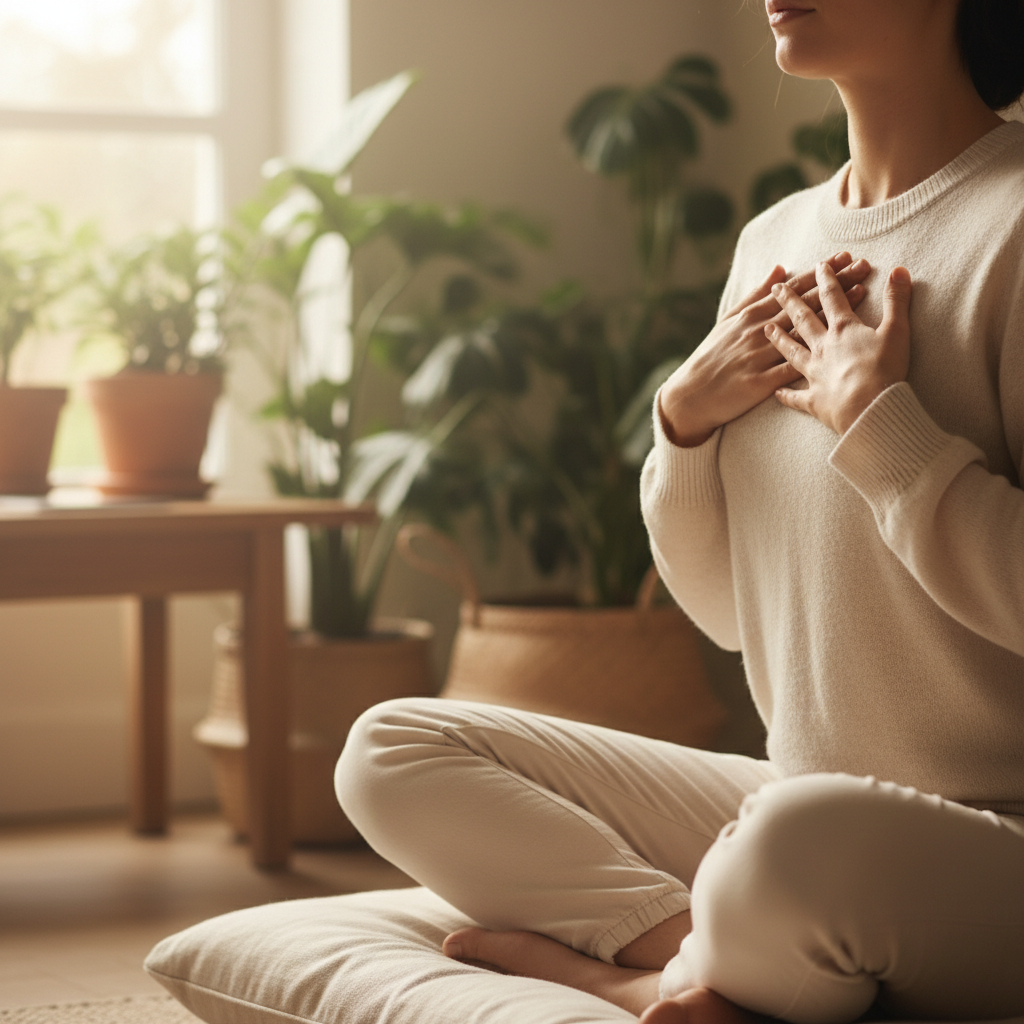
A key component of any wellness plan is managing stress and promoting mental well-being. Techniques such as meditation, journaling, and deep-breathing exercises can be powerful tools. Regular practice can help you stay centered and calm, even in challenging situations.
Monitoring Progress and Celebrating Success
Regularly monitoring your progress is essential to staying on track. Keep a journal or use apps to record achievements and setbacks. This practice not only provides motivation but also helps you identify what works and what needs adjustment.
Don’t forget to celebrate your successes, no matter how small. Rewarding yourself for reaching milestones reinforces positive behavior and keeps the momentum going.
Seeking Support and Professional Guidance
Creating a personalized wellness plan doesn’t mean you have to do it alone. Consider seeking support from friends, family, or a wellness coach. Professional guidance can offer expert insights and accountability, making it easier to stay committed to your goals.
Remember, the journey to wellness is ongoing and ever-evolving. By following these steps, you'll be well on your way to a healthier, more balanced life.