
Comparing Western and Eastern Wellness Approaches
Introduction to Wellness Approaches
Wellness is a holistic approach to health that encompasses physical, mental, and emotional well-being. Across the globe, different cultures have developed unique methods to achieve this balance. Western and Eastern wellness approaches offer distinct philosophies and practices, each with its own strengths and benefits.
Philosophical Differences
Western wellness often focuses on scientific research and evidence-based practices. It emphasizes individualism, with an aim to diagnose and treat specific conditions. Conversely, Eastern wellness is rooted in ancient traditions and holistic methods. It stresses the importance of balance and harmony within the body and mind, often through natural remedies and lifestyle changes.
Holistic vs. Targeted Approaches
In Western wellness, the approach is often targeted and specific. Medical professionals use advanced technology to diagnose and treat conditions. This method is effective for acute illnesses and emergencies. Eastern wellness, however, employs a holistic perspective, viewing the body as an interconnected system. Practices such as Traditional Chinese Medicine (TCM) and Ayurveda aim to balance energy and promote overall well-being.

Treatment Modalities
Western wellness frequently utilizes pharmaceuticals and surgical interventions. These methods are supported by rigorous testing and regulatory standards. Eastern wellness prefers natural treatments, utilizing herbs, acupuncture, and meditation. These practices are designed to align the body’s energies and support healing from within.
Preventative Focus
Preventative care is emphasized in both approaches, but the methods differ. Western wellness advocates for regular check-ups, vaccinations, and lifestyle changes such as diet and exercise. Eastern wellness encourages practices like yoga, tai chi, and mindful meditation to maintain balance and prevent illness.
Mind-Body Connection
The mind-body connection is a cornerstone of Eastern wellness. Practices like meditation and qigong are designed to enhance mental clarity and emotional stability. Western wellness acknowledges this connection but often separates mental health from physical health, with specialized professionals for each.
Integration of Practices
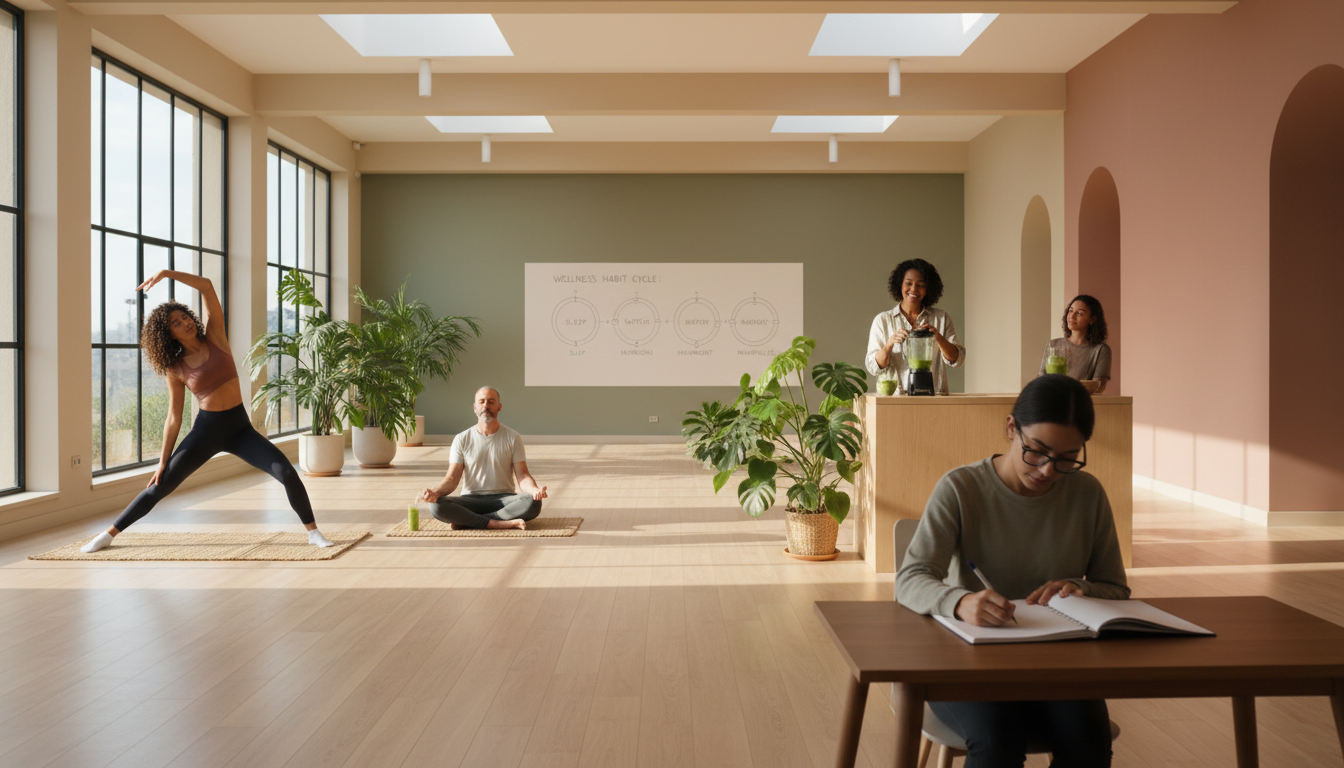
In recent years, there has been a growing trend to integrate Western and Eastern wellness practices. This integrative approach combines the scientific rigor of Western methods with the holistic principles of Eastern traditions, offering a comprehensive path to health and well-being.
Conclusion
Both Western and Eastern wellness approaches offer valuable insights and practices for maintaining health. By understanding and respecting these diverse methodologies, individuals can choose or combine practices that best suit their personal needs and lifestyles. Embracing a global perspective on wellness can lead to a more balanced and fulfilling life.